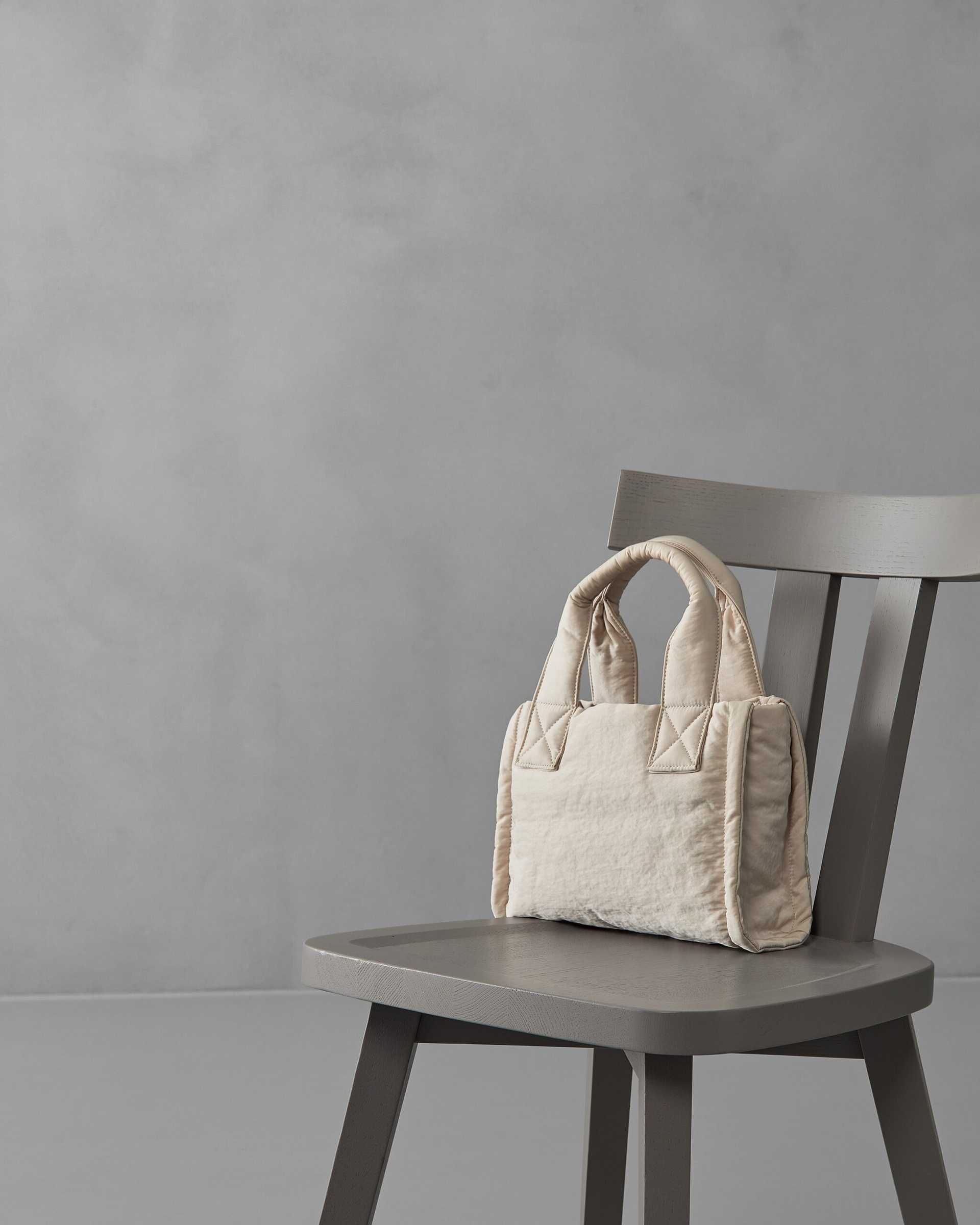
Drai Hang
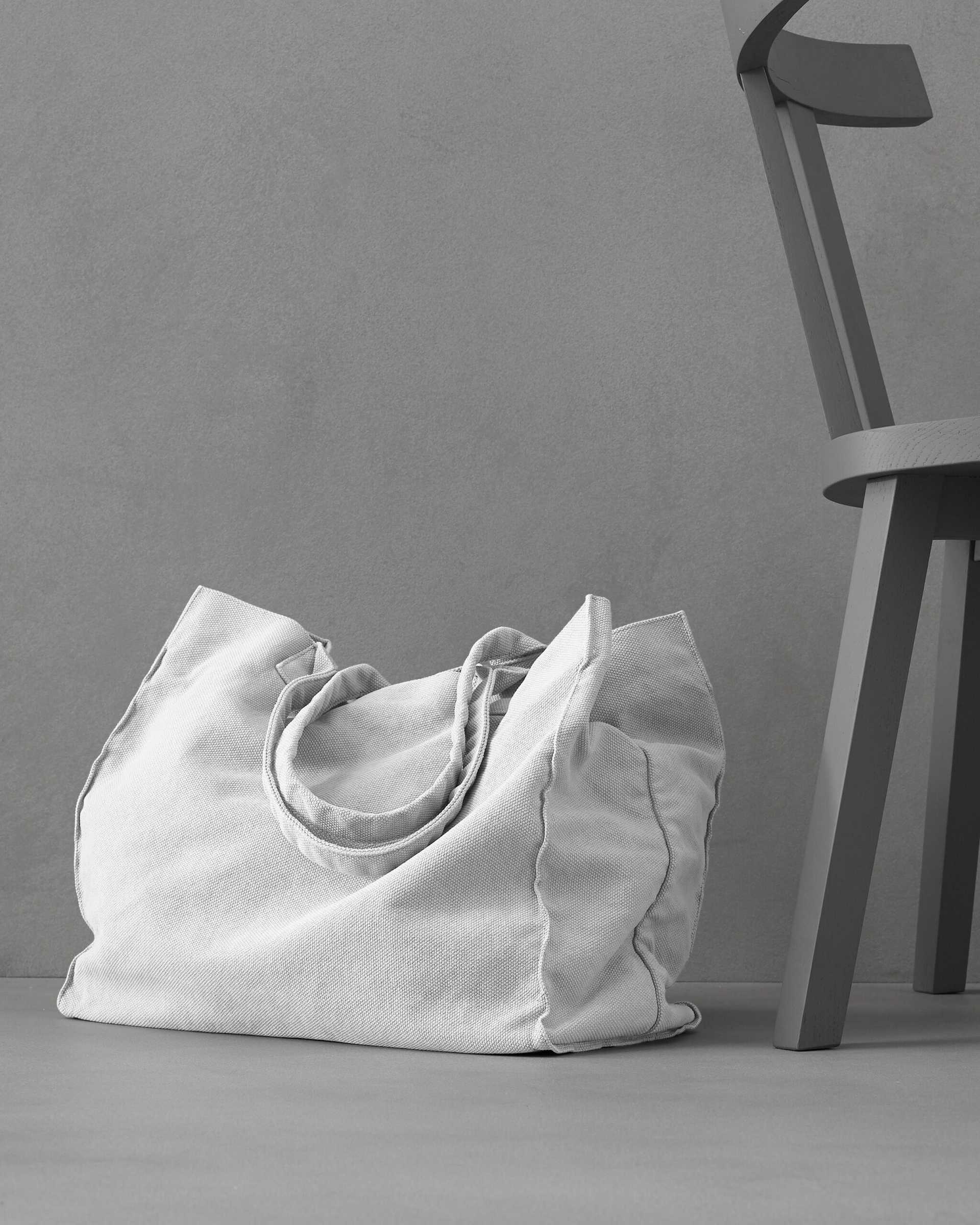
Carry everyday with this durable cotton canvas tote. Garment-dyed colors create unique tones, it’s easy to machine wash, roomy yet comfy, and built to last from work to beach without fuss.
A long-form exploration in the spirit of The New Yorker, weaving practical care, imaginative alterations, and historical context into a narrative about giving bags a second life. This piece honors craft, sustainability, and the people—past and present—who shape our everyday carry.
In a world crowded with disposable options, the bag we choose—whether a canvas tote, a supple leather satchel, or a weatherproof nylon carryall—carries more than belongings. It carries stories of design, labor, and the friction of daily life. The environmental argument for extending a bag’s life rests on a simple calculus: every year you keep a bag out of the landfill, you compound the environmental savings of its production and transport. The materials themselves tell a tale—canvas and linen whisper durability; leather speaks of aging grace; synthetics offer resilience with caveats about microplastics and longevity trade-offs. Understanding these material signatures helps us decide how to care, repair, or reimagine an old piece rather than retire it.
This piece draws on real-world examples and practical experiments, presenting ideas that are both grounded and aspirational. We lean into a spirit of cura, borrowed from artisanal makers and researchers who study lifecycle impacts, yet we keep a humane focus on how people actually use bags day to day.
To illuminate the conversation, we turn to three key figures from different eras who offer perspectives on making, mending, and rethinking our everyday objects.
A fictional continuation inspired by hands-on, utilitarian craftsmanship common in workshops of the era
Ada would have understood the pleasure of a bag that ages gracefully, her notes filled with stitch counts, wax treatments, and the quiet joy of a repaired seam. If Ada could speak to us today, she’d remind us that longevity begins with a robust foundation: reinforced corners, resilient threads, and the willingness to rewind a thread rather than discard a flawed corner.
An imagined critic inspired by the postwar design culture
Elena would have urged designers and wearers alike to balance function with poetry. Her archives might celebrate a linen or canvas tote whose beauty is evident in its patina, not its pristine state. Her voice champions the idea that aging is not a blemish but a signature: a bag’s visible history, from coffee stains to scuffs, telling a life well used.
A contemporary curator and researcher focusing on lifecycle analysis
Dr. Park would foreground the metrics—the carbon footprint saved when a bag’s life is extended, the micro-impacts of textile choices, and the social labor behind every stitch. Her perspective anchors our practical ideas in data, inviting readers to couple creativity with credible methods: care guides, upcycling templates, and transparent sourcing.
A bag wears its material identity on its sleeve. Canvas and linen are friends to the patient; leather, with its aging patina, rewards careful nourishment; synthetics resist time in ways that invite mindful maintenance. Each material carries its own maintenance ritual—and each ritual returns value to the bag as a shared object rather than a solitary item in a closet.
Care strategies hinge on understanding the material’s flexibility, porosity, and susceptibility to abrasion. A well-tended canvas tote, for instance, benefits from gentle spot cleaning, air drying, and occasional reproofing to resist water intrusion. Leather bags thrive under periodic conditioning and careful storage away from direct sun. Synthetics, while often forgiving, demand attention to seam integrity and zipper health to avoid microtears that propagate through heavy use.
Here are 3–4 approachable projects that demonstrate the ethos of extending a bag’s life while preserving its identity. Each idea balances craft, practicality, and a touch of whimsy.
The best upcycling stories are grounded in demonstrable outcomes: a product’s lifecycle saved through repair, a charity program funded by community repair circles, or a museum exhibit that reframes a common object as cultural artifact. Consider how a durable Drai Hang tote, with its garment-dyed canvas, offers a canvas for reinvention—its simple geometry invites new straps, patches, or internal dividers without erasing its practical identity.
In fashion and design discourse, credible sources—materials researchers, lifecycle analysts, and craft historians—form the backbone of trustworthy guidance. The practical upcycling methods described here aim to be replicable in ordinary homes, with a respect for the provenance of the bag and a fidelity to the hands that built it.
A cotton canvas tote bag in garment-dyed hues with durable, machine-washable construction. The 700 g/m² weight anchors its everyday reliability.
Material: 100% cotton canvas. Care: Machine washable. Weight: 700 g/m².
Price: $250.00
The Drai Hang exemplifies a product that wears its durability lightly while offering room for creative reinvention. Its garment-dyed finish invites color-resisting edge wear and small patches that tell a personal story, a tactile narrative of daily life.
Published: 2026-09-30 · All text and ideas are crafted for a fictional yet credible exploration of upcycling practices.